8 Steps To Prepare For A Fire
Many of us feel like there’s little point in preparing for a disaster because we never know when something might happen and it’s impossible to be perfectly prepared. If you back up your computer every Friday and it gets stolen on a Thursday, you’ve still lost an entire week’s worth of work. Or maybe you keep emergency food in your car in case of a natural disaster, but your car is in the shop when that disaster hits. Even though there’s a chance that your efforts won’t pay off, some preparation will always be better than nothing. The following tips won’t take much time or effort to implement, but they will make a big difference should your home ever suffer a fire.
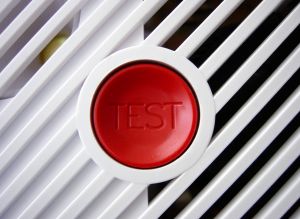
Check your smoke alarms: Start by taking the most obvious but often overlooked step of making sure you have smoke alarms and making sure they work. Most alarms have a light that stays solid or blinks to let you know it’s working, but it’s still a good idea to test them every three months using the alarm’s test button just to be sure. Some folks say you should have smoke alarms in every room, but if you can’t manage that you should at least put them near the kitchen and in your bedroom or the hallway near your bedroom.
Have fire extinguishers: You should have at least one home fire extinguisher. You’ll want to keep one in an easily accessible spot in the kitchen for sure, and make sure you have the right type of extinguisher for the type of fire that’s most likely to occur in that location.
Run emergency exit drills: Most of us have never practiced how we would exit our homes in an emergency. If you have children or pets, this is an especially important step to take. Do your kids know what to do when the smoke alarm goes off or they smell smoke, especially in the middle of the night? How will you coax your cat out from under the bed in an emergency?
Always know where your purse/wallet and keys are: It’s a good idea to develop a habit of keeping these items in the same place at home so that you can find them in the event of an emergency, fire or otherwise. That being said, if a fire has engulfed the part of your home that contains these items, don’t try to get to them–the most important thing to rescue in a fire is always yourself.
Have emergency money: Store some cash, checks, and an extra credit card in a secure location outside of your house (and not in your car, which could be lost in a fire as well). A safe deposit box at the bank is a good option, as is storing these items with a very trustworthy friend or relative who lives in your city. A fire-rated safe that you keep at home is another (just don’t expect it to deter burglars), though if your home is structurally unsound after the fire, you’ll have faster access to these items if they’re off site.
Take inventory of your home’s contents: This will help you to file a claim with your homeowner’s or renter’s insurance company and get money to replace everything you’ve lost. Make sure to update your inventory after making a major purchase or once a year. Keep copies of your inventory in a secure form of online storage and in your safe deposit box.
Make sure your homeowner’s or renter’s insurance policy provide replacement cost coverage: This increased level of protection will barely make a dent in your premium, but it will make a huge difference if you ever need to file a claim. The alternative is actual cash value insurance, which will only give you cash for the value of your possessions at the time of the loss (i.e. you won’t be getting much for your 1970’s couch).
Keep your computer backed up regularly and keep the backups outside your home (that bank safe deposit box will come in handy again here). You can easily back up important files by emailing them to yourself and/or storing them on a flash drive that you keep in a separate location. It’s also a good idea to scan important documents like tax returns and other important forms related to your finances and your health so that you’ll have electronic backups if you need them. A great way to back up your photos is to upload them to an online photo storage and printing company like Kodak Gallery or Winkflash. Just make sure to follow any requirements for keeping your account active so you don’t lose your pictures.
Dealing with a major loss like a fire is always distressing, but with a little preparation you’ll be better equipped to handle the situation. For more information on what you can to do prepare for a worst-case scenario, check out how to prepare a financial emergency kit, which will also help you prepare for major disasters like hurricanes or earthquakes.